Boron nitride ceramic tubes are now being used to protect thermocouples in molten salt thermal storage systems. These tubes offer strong performance in high-temperature and corrosive environments. Molten salt systems operate at temperatures above 500°C and require materials that resist chemical attack and thermal shock. Boron nitride meets these demands with excellent thermal stability and low reactivity.
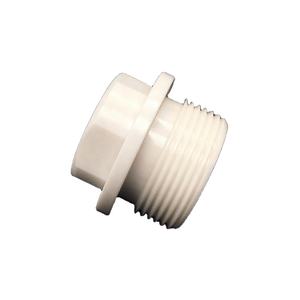
(Boron Nitride Ceramic Tubes for Thermocouple Protection in Molten Salt Thermal Storage Systems)
Traditional protection tubes often degrade quickly when exposed to molten salts like sodium nitrate and potassium nitrate. This leads to frequent replacements and system downtime. Boron nitride ceramic tubes solve this problem. They maintain structural integrity over long periods, even under continuous exposure to aggressive salts. Their smooth surface also prevents salt buildup and eases maintenance.
Manufacturers report fewer sensor failures since switching to boron nitride. The material’s electrical insulation properties help ensure accurate temperature readings. This is critical for controlling heat input and output in energy storage applications. Power plants and industrial facilities using concentrated solar power or waste heat recovery benefit from this reliability.
The tubes are made through hot pressing or isostatic pressing methods. These processes create dense, uniform structures without open pores. That stops molten salt from seeping inside and damaging the thermocouple. Installation is straightforward and fits existing probe housings without modification.
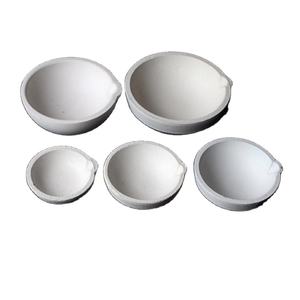
(Boron Nitride Ceramic Tubes for Thermocouple Protection in Molten Salt Thermal Storage Systems)
Demand for durable components in thermal storage is growing as clean energy projects expand. Boron nitride ceramic tubes support this growth by extending equipment life and reducing operational costs. Engineers and plant operators now have a dependable option for protecting sensitive measurement devices in harsh conditions.