A new high-performance boron nitride ceramic tube is now available for use as a sleeve in high-temperature pressure sensors during rocket engine testing. This specialized component offers exceptional thermal stability and electrical insulation, making it ideal for extreme environments where standard materials fail.
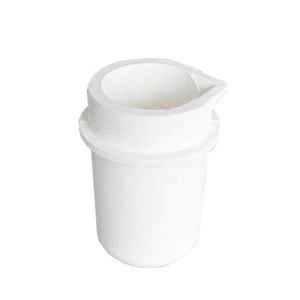
(Boron Nitride Ceramic Tubes for Sleeves for High Temperature Pressure Sensors for Rocket Engine Testing)
Rocket engine tests often expose sensors to temperatures above 1,000°C and intense mechanical stress. Traditional metal or polymer sleeves cannot withstand these conditions without degrading. The boron nitride ceramic tube maintains its structural integrity and performance even under such harsh demands.
Manufacturers developed this ceramic tube using advanced sintering techniques that ensure uniform density and purity. The result is a smooth, non-reactive surface that resists chemical corrosion from hot gases and combustion byproducts. It also minimizes signal interference, allowing pressure sensors to deliver accurate readings throughout the test cycle.
Engineers at leading aerospace firms have already begun integrating these sleeves into their sensor systems. Early feedback confirms improved reliability and longer service life compared to previous solutions. The tubes are precision-machined to fit standard sensor housings, which simplifies installation and reduces downtime.
This innovation addresses a critical need in propulsion testing, where data accuracy directly impacts design decisions and safety margins. As space missions grow more ambitious, the demand for robust, high-fidelity measurement tools continues to rise. The boron nitride ceramic sleeve meets that demand with a proven combination of durability and performance.
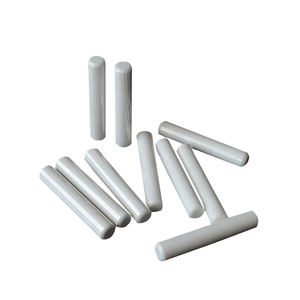
(Boron Nitride Ceramic Tubes for Sleeves for High Temperature Pressure Sensors for Rocket Engine Testing)
Production is now scaling up to support both government and commercial launch programs. The tubes are available in multiple diameters and lengths to suit various sensor configurations. Each batch undergoes rigorous quality control to ensure consistency in thermal and mechanical properties.